
Cutting the cost of treatment rarely changes anyone’s mind on its own, but it does remove one of the excuses that keeps people waiting. A current promotion takes €150 off the price of an alcohol implant, which for patients flying over from Ireland is roughly the cost of the trip itself. Here is what the offer includes and what to arrange before booking a date.
What does the offer actually include?
The standard price of the treatment is €800 and the promotion reduces it to €650. That figure covers the medical consultation, the qualification assessment and the implant procedure itself, so there are no separate charges added on the day. Details of the current offer, along with the treatment description and contact options, are set out on www.helpmewithalcohol.eu, where you can also ask about available dates before you book flights. The saving is worth mentioning for a practical reason: return flights from Dublin to Krakow often cost around €100, so the discount usually absorbs the travel.
How does the implant work?
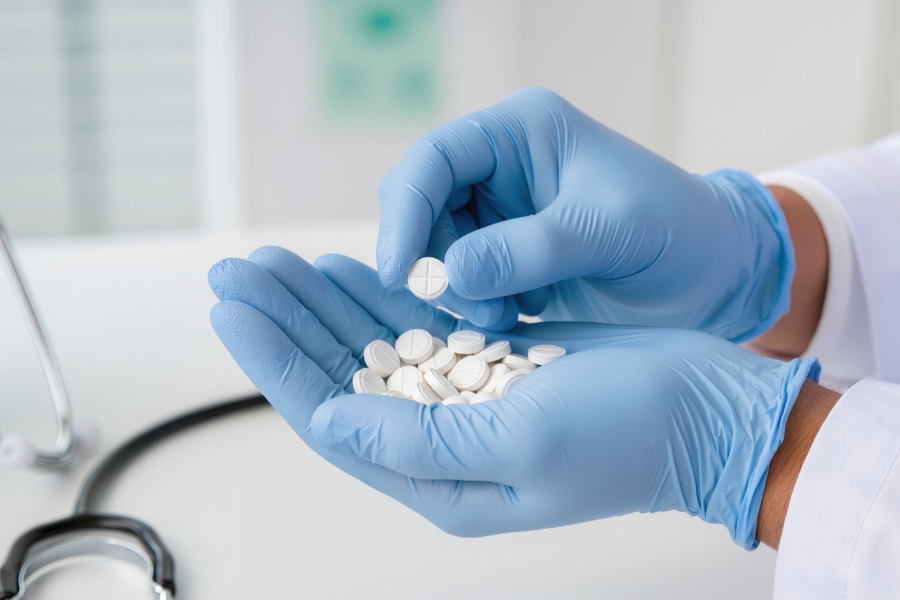
The implant contains disulfiram, a medicine used in alcohol dependence since the 1950s. Sterile tablets are placed under the skin during a short procedure carried out under local anaesthetic, usually in the gluteal area, and the whole thing takes about fifteen to twenty minutes.
Disulfiram blocks the enzyme that breaks down acetaldehyde, a by-product of alcohol metabolism. Drinking while the medicine is active causes flushing, a racing heart, nausea and a pounding headache within minutes. That reaction is the entire mechanism: it removes the option of an impulsive drink and ends the daily negotiation about whether to have one.
A single implant can support abstinence for roughly eight to twelve months. It is worth being clear about what it does not do. Disulfiram does not reduce cravings and it does not address why the drinking started, so the evidence is consistently stronger when it is combined with counselling, a support group or regular contact with a GP rather than used on its own.
Why do patients from Ireland travel for this?
Disulfiram is available in Ireland in tablet form, but the implanted version is not routinely offered here, and access to specialist addiction services often means a waiting list. Travelling changes the timeline: an appointment can usually be arranged within days rather than months.
The logistics are simpler than most people expect. Direct flights from Dublin to Krakow take around two and a half hours. Many patients fly in the morning, attend the appointment and return the same evening, although one night makes the day less rushed.

What should you sort out before you fly?
Four things matter more than anything else on the checklist:
- be completely alcohol free for at least 24 to 48 hours before the appointment, because the implant cannot be placed while alcohol is still in your system
- talk to your GP first if you drink heavily every day, since stopping abruptly can be dangerous and may need supervision
- write down every medicine you take, including anything bought over the counter, as some interact with disulfiram
- check your home for hidden alcohol, from mouthwash and cough syrup to cooking wine and vinegar based dressings
Bring photo identification as well, because the procedure is carried out only after written consent.
Who is not suitable for the treatment?
The implant is not for everyone. Pregnancy and breastfeeding rule it out, as do serious heart conditions, advanced liver disease and certain psychiatric presentations. Some medicines, among them metronidazole and phenytoin, also make it unsuitable. That is why the consultation comes first and why the decision belongs to the doctor who assesses you.
Is the saving the reason to go ahead?
Honestly, no. A €150 discount is a good reason to book this month rather than next, but it is not a reason to choose a treatment that does not fit your situation. What makes the implant worth considering is the structure it gives to the first year, particularly for someone who has managed a few weeks of sobriety before and then slipped back after a single unplanned drink.
If that sounds familiar, the next step is a conversation with a doctor about whether disulfiram suits your medical history, followed by a plan for the support that runs alongside it. The implant buys time. What you do with those months decides the outcome.


